CURRENT POSITIONSActive roles
Research, advising early career researchers, and independent scientific guidance across universities, the UN, and domestic governments.
Durham University
Research Professor ・ BiosciencesResearch Professor in the Department of Biosciences, working part-time on UK Research Council–funded projects and mentoring MSc, PhD, and postdoctoral researchers - helping them connect their work to real-world practice. Current work spans heavy metals and faecal co-pollution in rivers and sediments, how “empty” vs “full” mobile genetic elements store and shuttle resistance genes in different natural and engineered environments, and a UN/UNESCO initiative using AI and large language models to identify critical knowledge and funding gaps that must be addressed to reduce antimicrobial resistance evolution, transmission and spread across the water cycle.
Ongoing projects-
CARMA is a UKRI-funded project investigating how metal pollution in rivers and wastewater drives antimicrobial resistance, and how this might be prevented. In particular, we are seeking to understand how and where new superbugs might evolve in the environment before spreading into hospitals and the wider community. Led by Imperial College London with Durham, Birmingham, IIT Delhi and Pondicherry University, it brings together engineers, microbiologists, clinicians, modellers, economists and policy partners in the UK and India. The project builds on my earlier seminal studies of the relationship between metal pollution and AMR selection in different environments, which showed that rivers polluted with both metals and sewage carry far higher levels of resistant bacteria, including strains that cause human disease. As a project co-lead, I lead CARMA’s environmental research at Durham, coordinating field sampling across the UK and Indian sites and working with IIT Delhi to test how wastewater treatment can reduce the risk.
-
INTEGRATE-WATER is a Water4All European Partnership project developing a low-cost way to monitor antimicrobial resistance across the water cycle, from farms and aquaculture through wastewater to drinking water and patients. Rather than simply counting resistance genes, we use integrons (genetic platforms that capture, shuffle and spread resistance genes) as evolution-aware markers, read using portable Nanopore sequencing. The aim is a validated Integron-Based AMR Index that regulators and water utilities can adopt alongside the EU’s new urban wastewater rules. Led by Dr Marcos Quintela-Baluja at Durham University, with partners in Brazil (CETESB and the Federal University of Pará), Spain (IISGS and EMASESA) and China (Institute of Urban Environment), it brings together microbiologists, engineers, clinicians, water utilities and AI and policy specialists. The project builds on our earlier work on integron ecology and the spread of resistance genes through wastewater networks. My role is to bridge the science and policy, integrating molecular, environmental and AI-driven analyses of global water legislation to help develop policy-ready surveillance tools.
-
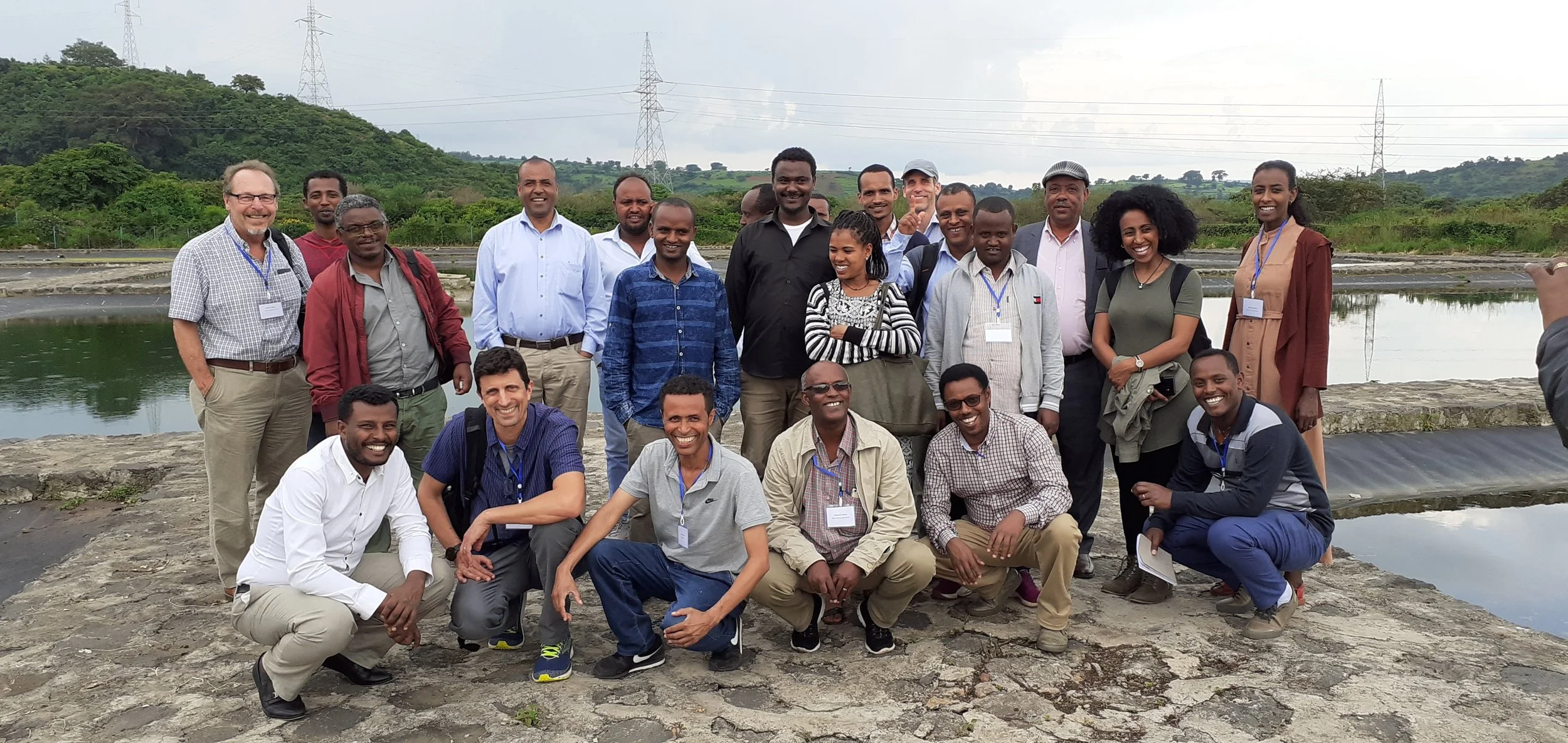
TEXAS is a JPIAMR-funded project that is developing faster, cheaper and more comparable ways to monitor antimicrobial resistance across One Health settings. In particular, we are identifying the genetic markers that best reveal where resistant pathogens emerge and spread, and building two platforms to measure them: a multiplexed digital PCR system for well-equipped laboratories and a low-cost on-site biosensor for low-resource settings. Led by the Volcani Institute in Israel with Durham University, UTS Sydney, the University of Ottawa, TU Dresden and the South African Medical Research Council, it brings together engineers, genomic epidemiologists, microbiologists, public health experts and policy advisers. Our work at Durham University is choosing prospective markers and then turning results from across TEXAS into policy, especially drawing on my role with the UN in developing integrated surveillance strategies. The project has used AI to map gaps across more than 250,000 AMR studies. It has also shown that untreated sewage makes rivers in Addis Ababa as resistance-laden as raw wastewater, and it has helped set out how hospitals can use wastewater to track resistance resulting from in-hospital activity.
UN & government advisory
Independent scientific guidanceA small number of appointed roles offering independent scientific guidance to international and national bodies:
UNESCO — his main current engagement: applying AI and large language models to antimicrobial resistance across the water cycle.
UK Chief Medical Officer's Task Force — leading the subgroup on AMR risks, helping define the microbial health risks of exposure in natural waters and drinking water.
UK Ministry of Justice expert team — developing wastewater-based methods to monitor health at the scale of a prison.
Newcastle City Council Board of Health — ongoing local public-health guidance.
CURRENT POSITIONS, CONTINUEDChinese Academy of Sciences
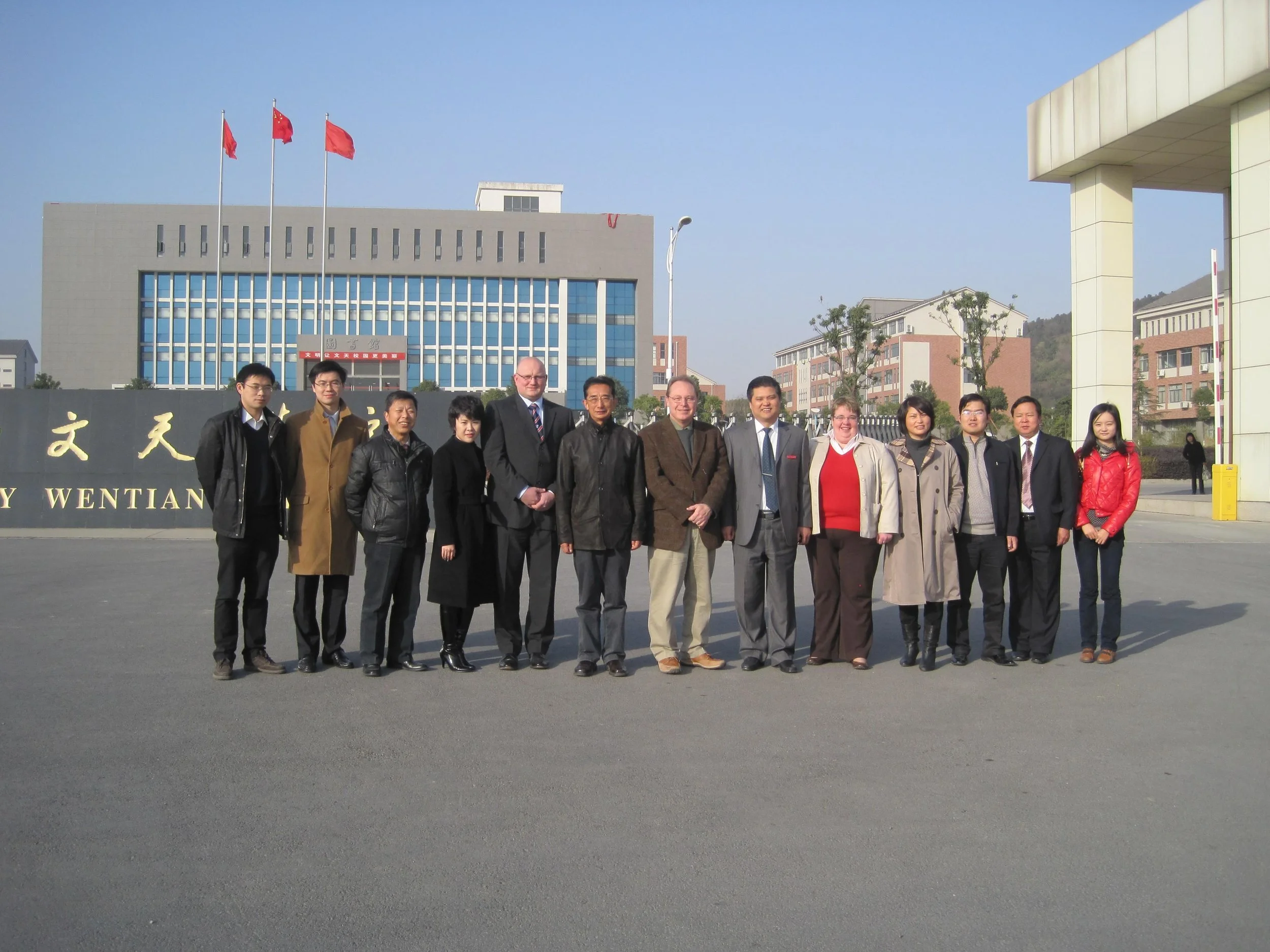
Visiting professor ・ Institute of Urban Environment A Visiting Professor role advising early-career researchers, PhD students, postdocs, and junior faculty across the Institute of Urban Environment and the Research Center for Eco-Environmental Sciences. The work is wholly academic, supporting environmental protection and the prevention of antimicrobial resistance at local and global scales, and helping researchers build the language and research-culture fluency to collaborate across international teams. One new project that integrates the above roles was awarded by the National Natural Science Foundation of China (NSFC).
Ongoing projects-
This project is funded by the NSFC and is investigating how human activity and climate together drive antimicrobial resistance (AMR) across river catchments. We are seeking to identify the “tipping points”, such as specific rainfall intensities, connections between sectors, or levels of antibiotic use, at which resistant bacteria suddenly surge, and to predict where these risks will emerge under future climates. The project grows out of an international expert collaboration convened by UNESCO. Its centrepiece is a “living lab” in the Zhangxi catchment in Ningbo, which links water flows, chemistry, microbiology and health data. The living lab is designed as a template that our international partners can use to lead their own catchment studies. Possible future sites include Australia, Botswana, the UK and France, with many other options across our expert team. The project’s Senior Advisor is Prof Yong-Guan Zhu, China’s leading expert on environmental AMR. As Principal Investigator, I lead the programme and work with UNESCO to extend the living-lab approach to other countries.
DWG Environment & Health
Independent advisory The independent platform through which David provides commissioned technical guidance to governments, intergovernmental agencies, and non-profit organisations. Kept deliberately lean, it provides guidance more quickly and efficiently, keeping his professional guidance independent of any of his institutional roles. Current work includes providing scientific guidance on funded ICARS projects. Earlier guidance has supported CGIAR One Health Initiative and EU regulatory work on AMR monitoring, among others.
Newcastle University
Emeritus ProfessorAn emeritus affiliation. David continues a handful of collaborations with individual colleagues on projects begun before he moved to Durham; most of his current work now runs through Durham, the Chinese Academy of Sciences, DWG Environment & Health, and government and intergovernmental bodies.
THE THROUGH-LINEPast work & legacy
The recurring thread is methodological innovation: reaching into other fields for new tools and framings, often years before they became standard.
-
The discovery and patenting of methanobactin. In 1989 David noticed the growth media of certain methane-consuming bacteria turning yellow, with no explanation; the trail led — over fifteen years, and past a research community that doubted the molecule existed — to an entirely new class of compound, published in Science in 2004. A synthetic version is now used in human and animal medicine to treat metal-related disorders and poisoning.
-
Tracing how antibiotics and other organic contaminants move through and affect aquatic ecosystems, using whole-lake and mesocosm experiments — including the first mesocosm-scale studies of how resistance spreads in near-natural conditions, which gave regulators more realistic, defensible data to work from.
-
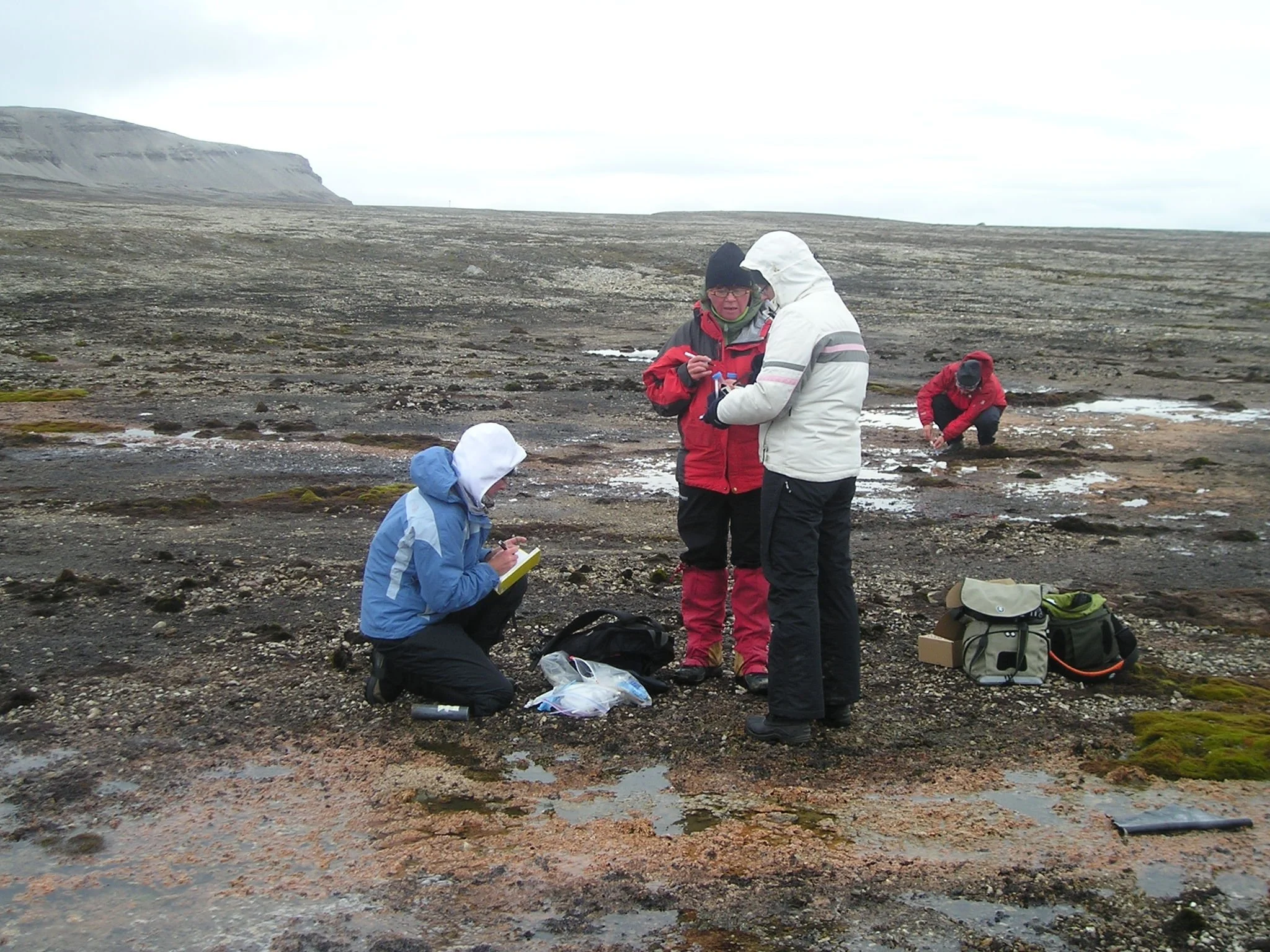
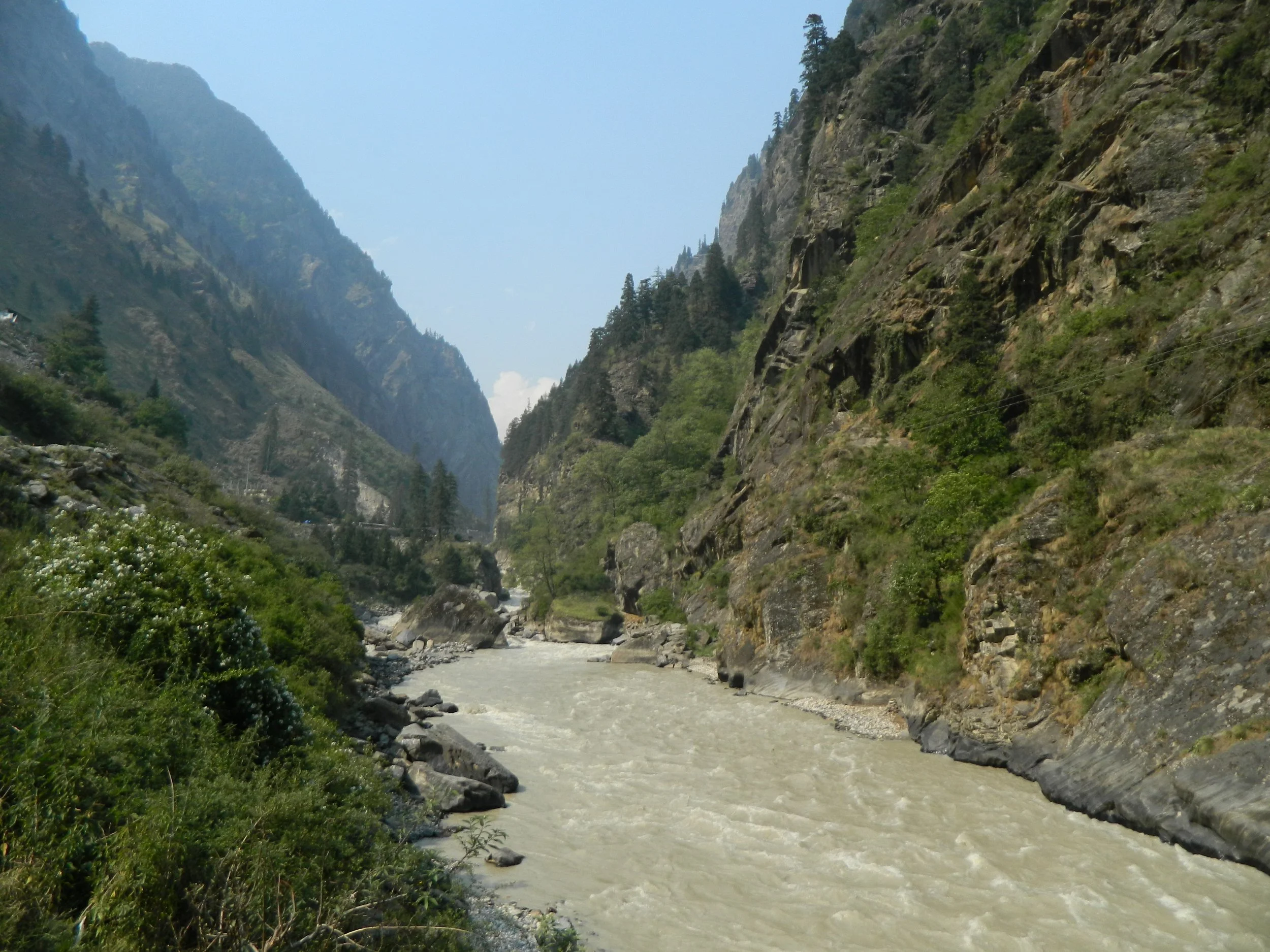
The defining thread of the last two decades. David's group was among the first to use qPCR to quantify antibiotic-resistance genes in the environment — now a method used worldwide — and used it to find resistance genes in High Arctic soils where they could not naturally be, to map their spread along the Ganges, to date their sharp rise to mid-century industrial manufacturing through historic soil archives, and to show how heavy-metal pollution accelerates resistance in rivers.
-
Helping build the UK's national wastewater-surveillance network for COVID-19 — an award-winning effort now part of the country's public-health infrastructure, and a template for monitoring population health from what flows downstream.
THE GROUPPeople
The students and researchers David works with are at the heart of the work — teams built to think across disciplines and across borders, where early-career scientists are trusted to question the accepted view and defend their own ideas.
Notable recent collaboratorsShaikh Ziauddin Ahammad (Indian Institute of Technology, Delhi)
Eddie Cytryn (Volcani Institute)
Steven Djordjevic (University of Technology Sydney)
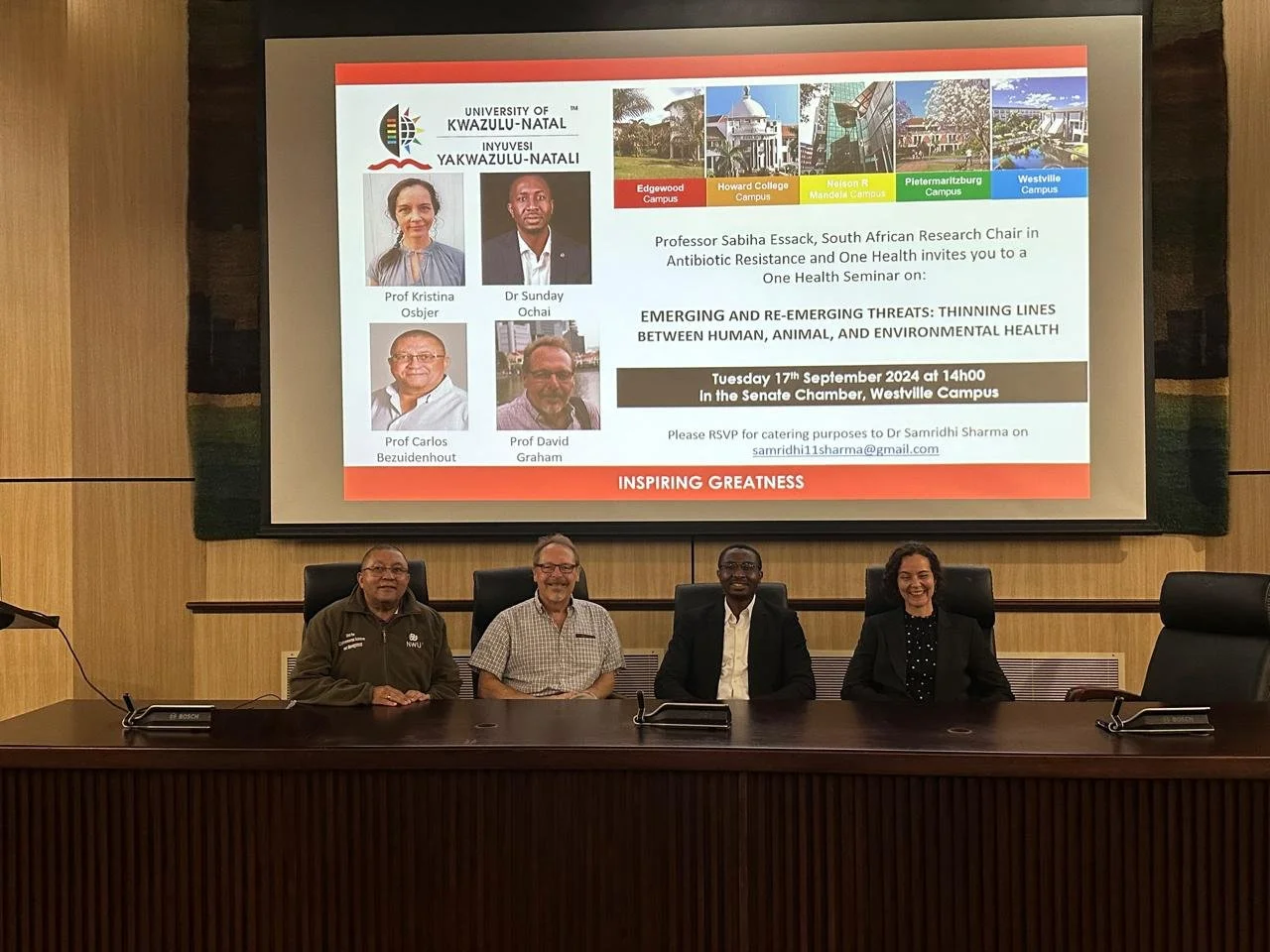
Sabiha Essack (University of Kwa-Zulu Natal)
Peiying Hong (KAUST)
Mui Chu Jong (Tsinghua Graduate University)
Mulugeta Kibret (Bahir Dar University)
Charles Knapp (University of Strathclyde)
Jan-Ulrich Kreft (University of Birmingham)
Doug Manuel (University of Ottawa)
Chantal Moral (University of Bern)
Marcos Quintela-Baluja (Durham University)
Anthony So (Johns Hopkins University)
Shiranee Sriskandan (Imperial College, London)
Jian-Qiang Su (Chinese Academy of Science)
Yao-Yang Xu (Chinese Academy of Science)
Yong-Guan Zhu (Chinese Academy of Science)
Other relationships -
Julián Carrillo Reyes (Universidad Nacional Autónoma de México)
Peter Collignon (Australian National University)
Teresa Coque (Instituto Ramón y Cajal de Investigación Sanitaria)
Julian Davies (University of British Columbia)
Erica Donner (Adelaide University)
Dominic Frigon (McGill University)
Myra Giesen (Newcastle University)
Colin Harwood (Newcastle University)
Nasreen Hassoun-Kheir (University of Geneva)
Oliver Heidrich (Newcastle University)
Lise Korsten (University of Pretoria)
Joakim Larsson (University of Gothenburg)
Georg Lietz (Newcastle University)
David Manning (Newcastle University)
Marie McIntyre (Newcastle University)
Greg O'Donnell (Newcastle University)
Amy Pruden (Virginia Tech University)
Jennifer Roberts (University of Kansas)
Ana Maria Roda de Husman (National Institute for Public Health, Netherlands)
Jesus Romalde (Universidad de Santiago de Compostela)
Heike Schmitt (National Institute for Public Health, Netherlands)
Barth Smets (Aarhus University)
Jason Snape (University of York)
Shashidhar Thatikonda (Indian Institute of Technology, Hyderabad)
Ed Topp (Agriculture and Agra-Food Canada)
Tong Zhang (University of Hong Kong)
Zhu Dong (Chinese Academy of Science) -
Panagiota Adamou, Stantec (PhD student / Technician)
Sreelakshmi Babu, AtkinsRéalis (PhD student)
Adrian Blackburn, Retired (Technician)
Joshua Bunce, UK Environment Agency (PhD student)
Beate Christgen, Newcastle University (Postdoc)
Sonia Gupta, Indian Institute of Technology, Delhi (Research Associate)
Catherine Hands, Southern Water (PhD student)
Kelly Jobling, Newcastle University (Postdoc)
Florence Mui-Choo Jong, Tsinghua Shenzhen International Graduate School (PhD student)
Charles Knapp, University of Strathclyde (PhD student / Postdoc)
Manisha Lamba, Panjab University (Visiting PhD student)
Zhelun Liu, Durham University (Visiting PhD student)
Clare McCann, Northumbria University (Postdoc)
Julio Osti, University of Sao Paolo (Visiting PhD student)
Amelie Ott, European Environmental Bureau (PhD student)
Julian Ovis Sanchez, Instituto Potosino de Investigación Científica y Tecnológica (Visiting PhD student / Postdoc)
Rebeca Pallares Vega, Friesland Campina (Postdoc)
Nick Peak, UA Environmental Protection Agency (MSc student)
Marcos Quintela Baluja, Durham University (PhD student / Postdoc)
Katie Robins, Stantec (PhD student)
Cara Wray, Severn-Trent Water (PhD student)
Rui Xin, Tianjin University (Visiting PhD student)
Andrew Zealand, Northumbrian Water Ltd (PhD student / Postdoc) -
Mohamed Abouelnaga, Suez Canal University, Egypt
Azmi Aris, Universiti Teknologi Malaysia
Kathryn Arnold, University of York
Nico Boon, Ghent University, Belgium
Katrina Charles, University of Oxford
Bent Christensen, Aarhus University, Denmark
Alex Corbishley, University of Edinburgh
Columbia, Canada
Arnaud Dechesne, Technical University of Denmark
Frank (Jerry) deNoyelles, University of Kansas, USA
Barbara Evans, University of Leeds
Mariano Gómez-López, Labaqua, Spain
Jim Hall, University of Oxford
Alwyn Hart, UK Environment Agency
Casey Hubert, University of Calgary, Canada
Davey Jones, Bangor University, Wales
Laura Kahn, Princeton University, USA
Wen-Tso Liu, University of Illinois at Urbana-Champaign, USA
Célia Manaia, Universidade Católica Portuguesa
Kate Medlicott, World Health Organization, Switzerland
Fabián Méndez, Universidad del Valle, Cali, Colombia
Indumathi Nambi, Indian Institute of Technology, Madras
Kara Nelson, University of California, Berkeley, USA
Zainura Noor, Universiti Teknologi Malaysia
Miguel Peña, Universidad del Valle, Cali, Colombia
Gustavo Peñuela, University of Antioquia, Colombia
Gili Regev-Yochay, Sheba Medical Center, Israel / Harvard School of Public Health
Diana Rodríguez, University of Antioquia, Colombia
J Morgan Scott, Texas A&M University, USA
Randall Singer †, University of Minnesota, USA
Pablo Sotelo, Universidad Nacional de Asunción, Paraguay
TR Sreekrishnan, Indian Institute of Technology, Delhi
Shashidhar Thatikonda, Indian Institute of Technology, Hyderabad
Zaini Ujang, Ministry of Environment, Malaysia
Dong Wu, East China Normal University