VISIONWhat I've come to believe.
The convictions that have been shaped by forty years of work, and where I think the important problems really lie.
The problem
Antimicrobial resistance is what happens when the microbes that make us ill grow strong enough to survive the drugs meant to treat them. Two things drive it: using antibiotics more than we need to — across medicine, farming and veterinary care — and failing to manage the waste from that use, and wider pollutant releases, so resistance escapes into water and soil and travels far beyond where it began, across sectors and borders.
Nearly five million deaths a year are already linked to it, most in places where stewardship, sanitation and clean water fall short. The problem is big — but it is not hopeless. It responds to two things: prevention, meaning using antibiotics only when essential and managing waste better; and integrated surveillance across human, animal, and environmental health systems, which shows us where the hot spots exist and where we must act to protect across all sectors.
CONVICTION 01Water is where environmental health begins and ends.
Almost every problem I have worked on eventually is mediated by water — humans are about 60% water and it impacts everything related to life. It is what we must protect, the thing that can carries risk, and the thing that connects us. It is always important.
CONVICTION 02The most dangerous problems cross the boundaries institutions are built to respect.
Disease, pollution and resistance do not stop at a national border or a departmental one. Solving them takes teams that are willing to cross those lines — and people willing to translate between them. Building teams of diverse experts has become my mantra.
CONVICTION 03Finding bad news carries a responsibility to find answers alongside it.
It is not enough to raise an alarm, which is a problem with many academics - bad news sells! The discipline I try to keep — and the one my father taught me — is to never identify a problem without also offering possible practical solutions at the same time.
“Never give me a problem without also giving me possible solutions."
A principle passed down from my father — and still the best description of how I try to work.
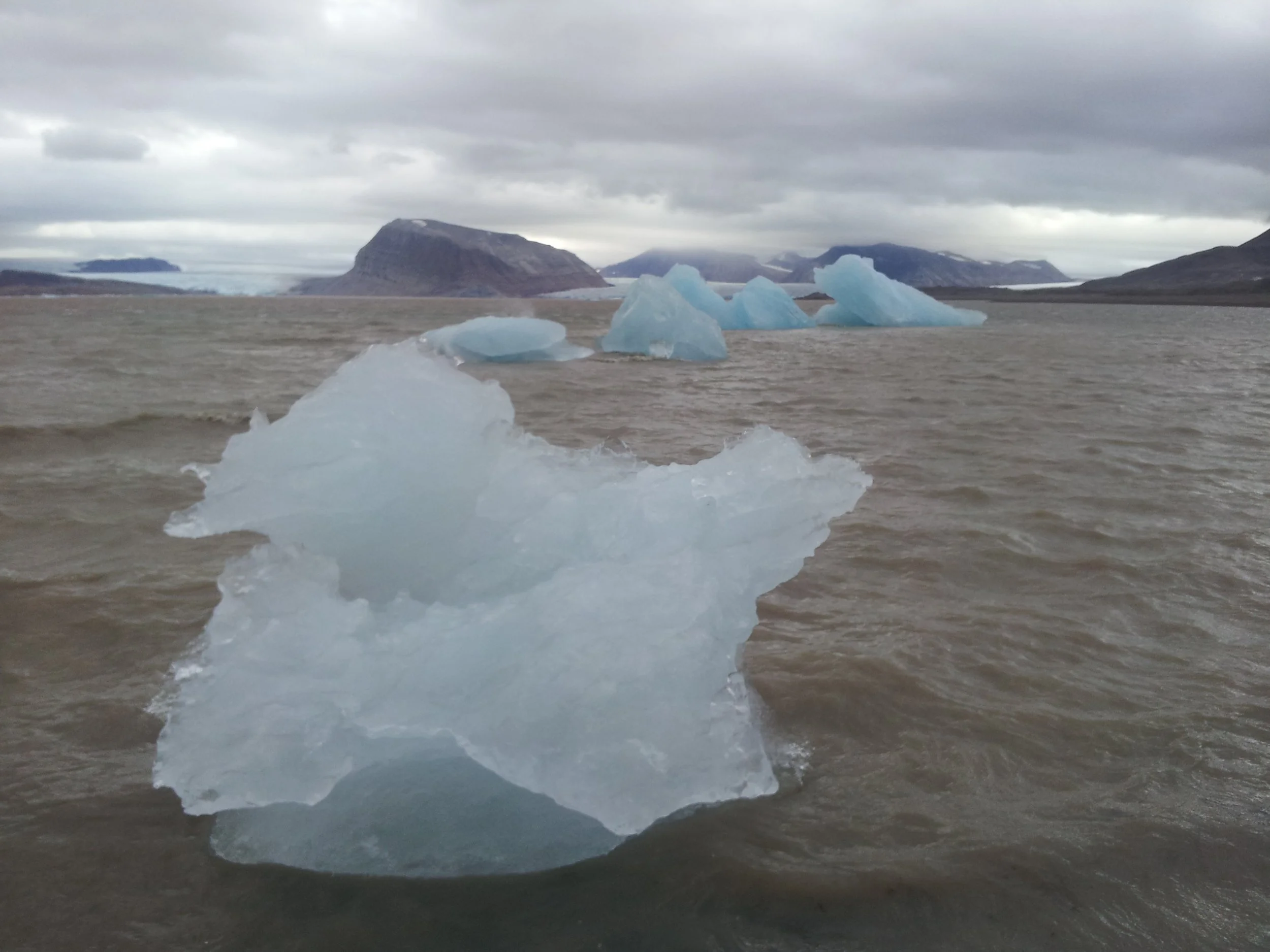
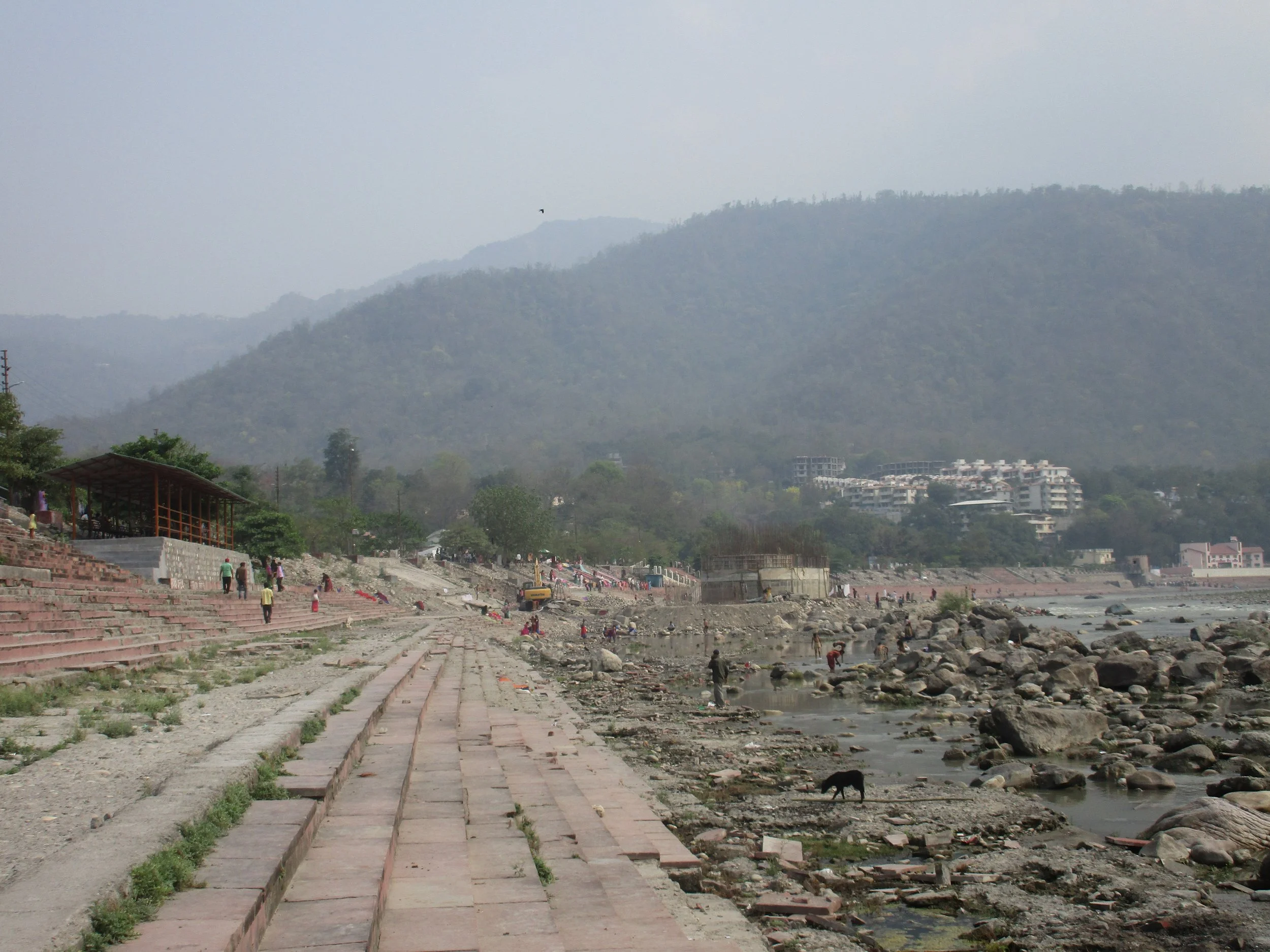
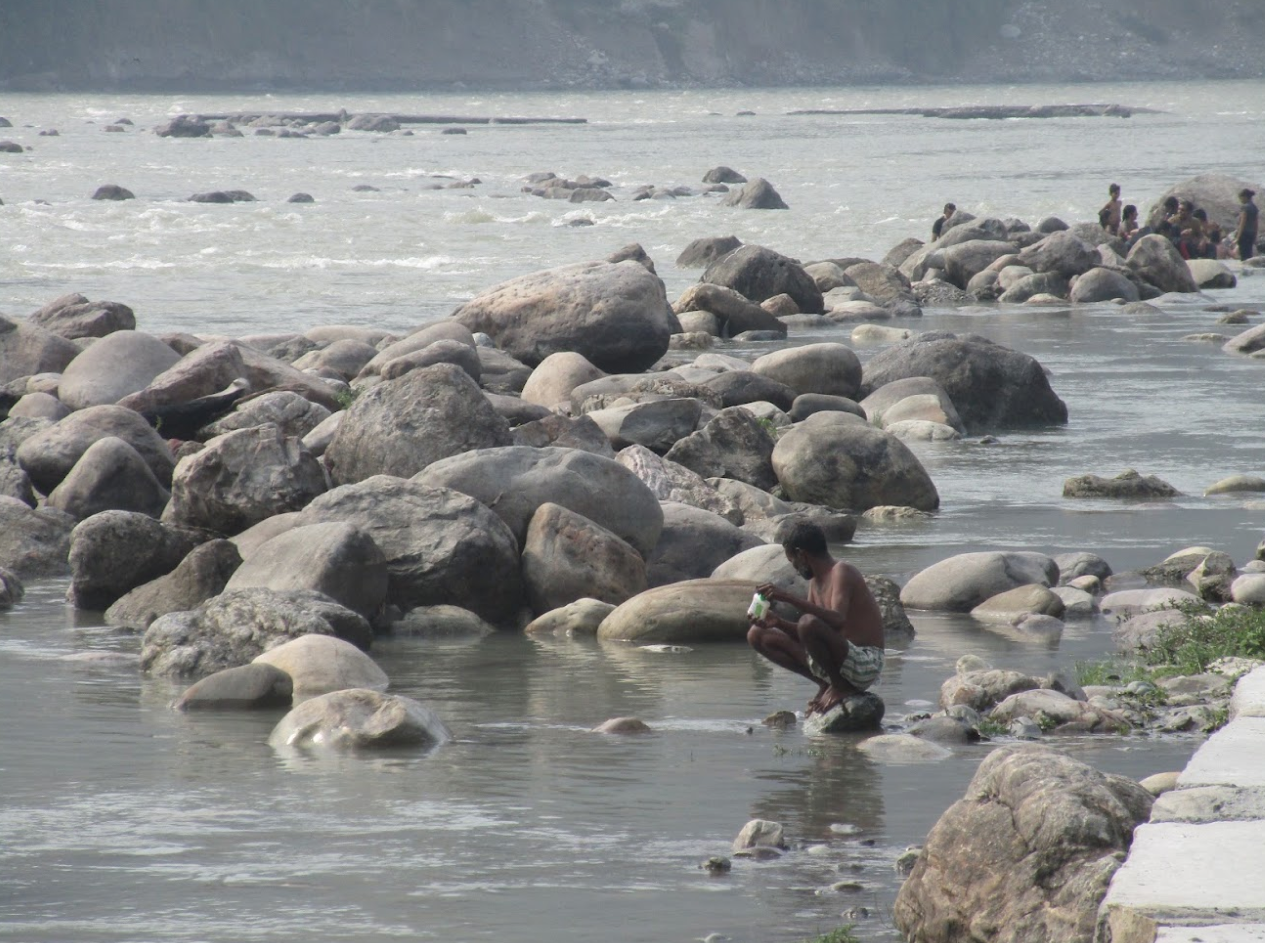
Ganges, 2014Svalbard, 2010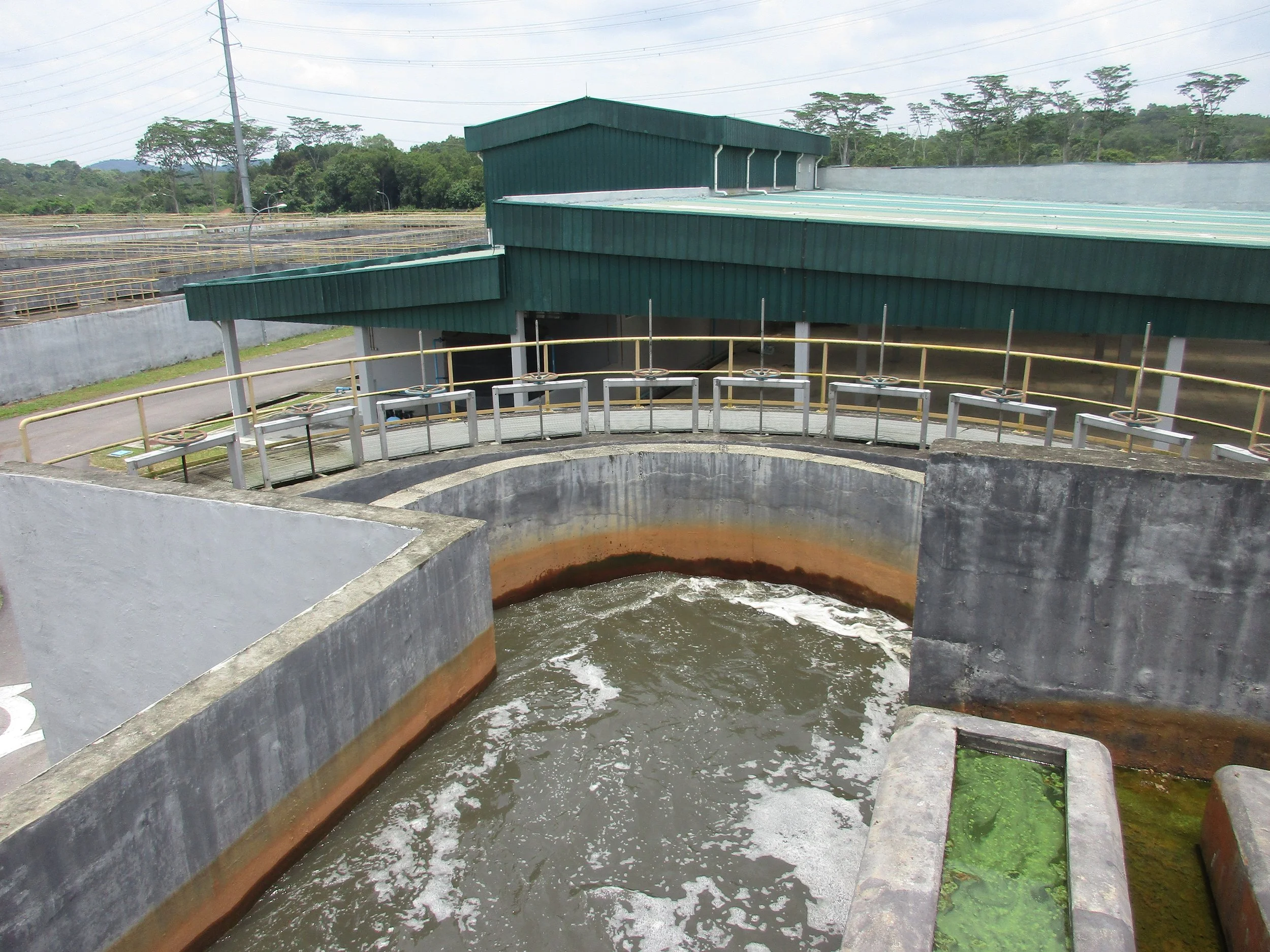
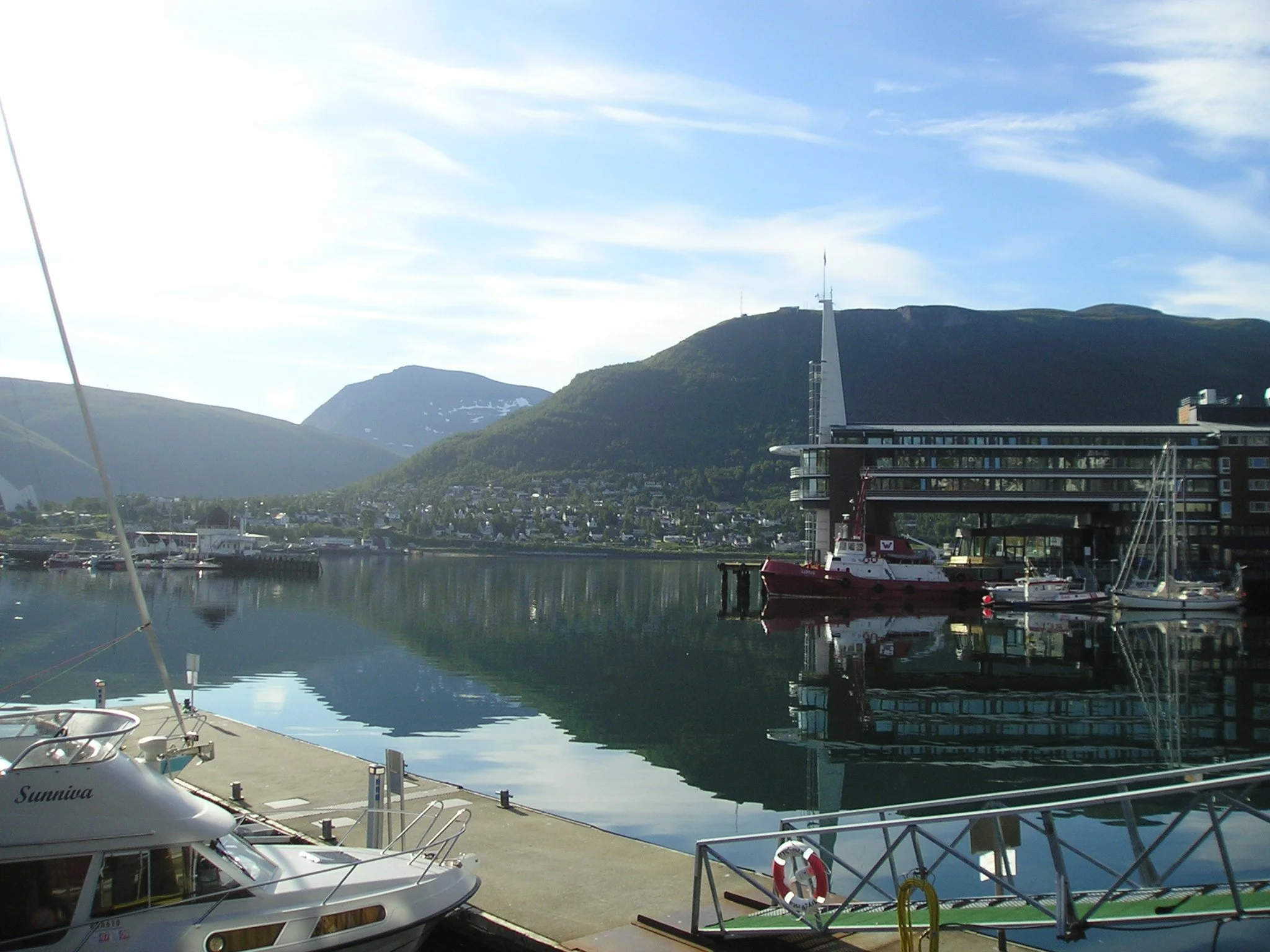
Ganges, 2014Tromso, 2008Malaysia, 2017APPROACHHow I work
Those convictions, put into practice — the habits that have shaped the work.
01Transdisciplinary by design
The best teams are mixed and, ideally, multinational — engineers, physical and social scientists, physicians, and economists in one room. Diversity and camaraderie matter as much as intellect.
02Innovative methods before discovery
The next great discovery usually needs the next great method first. I would rather build a new tool and stay a step ahead of the “me too” crowd than just repeat discoveries made five years ago. The key now is working across disciplines.
03Be an advocate for those who can't protect themselves
Work for the interests of those who can't defend their own, be honest, and take calculated risks that drive innovation and discovery - essential for solutions to complicated problems.