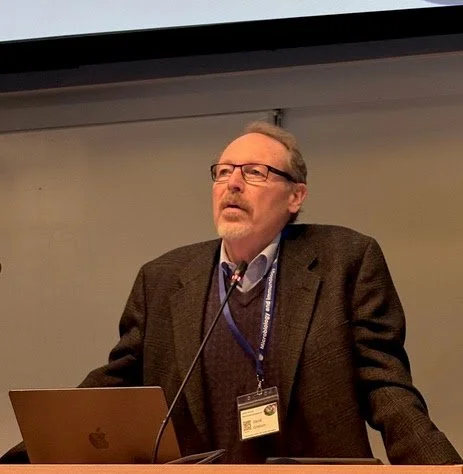
Prof David W. Graham
PhD, CEng
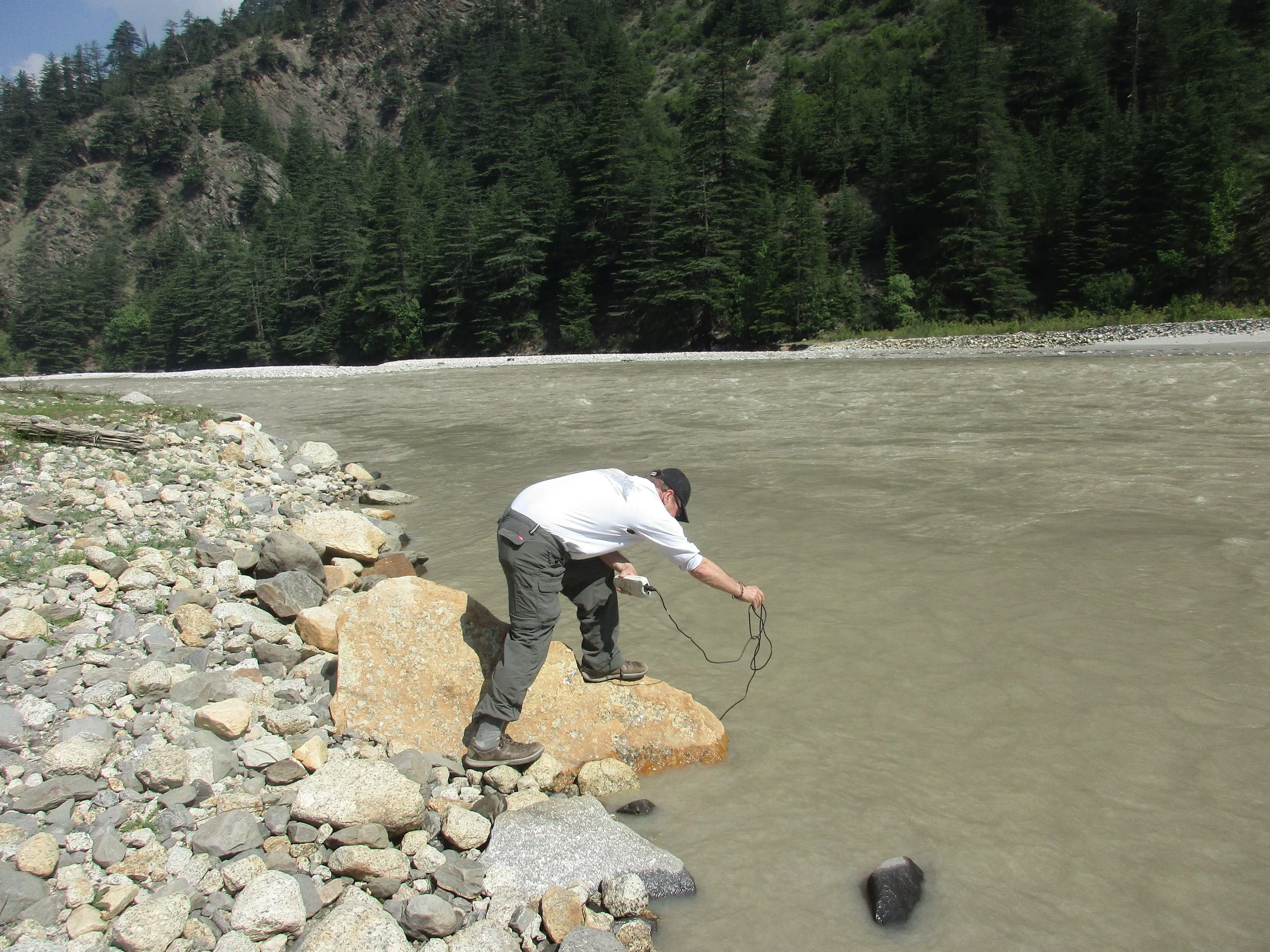
A Chartered Engineer who became a microbial ecologist and geneticist to answer the complex, multi-disciplinary environmental questions, which intersect health, science, and engineering, ranging from work on the Ganges to the High Arctic.
Using large-language-model methods to improve One Health surveillance of antimicrobial resistance.
Advising UN and UK government bodies on the environmental dimensions of AMR - from UNESCO to the CMO’s Microbial Risk Task Force assessing water quality in the UK.
Tracing how heavy-metal and faecal co-pollution potentially drive “superbug” evolution in rivers and sediments around the world.
Mentoring and internationalising early-career environmental scientists across India, Africa, Latin America and China.
RECENT UPDATES2026The global integrated guide — with environmental science built in — is now public.
2025Joined the UK Chief Medical Officer's Task Force
On the Microbial Risk Task Force, leading the subgroup on AMR risks in natural waters and drinking water.
ABOUTAn engineer who nudges biological systems for the benefit of all
David Graham began his career not as an academic but generating practical solutions to real-world problems - nearly a decade as a Professional Engineer designing water and wastewater systems in Western Canada. It gave him something most academics never acquire: an instinct for how much infrastructure costs and how it really works.
However, his practice had a frustration built into it: clients decided when a job was finished - often once they had what they needed - not when the problem was truly solved, often missing the most interesting and globally part of solutions. So in 1987 he went back to school and reoriented completely - obtaining a PhD that crossed biochemistry, molecular genetics and engineering, making him fluent in how the microbial world works, from its genetics to its ecology, which makes him a very different sort of engineer.
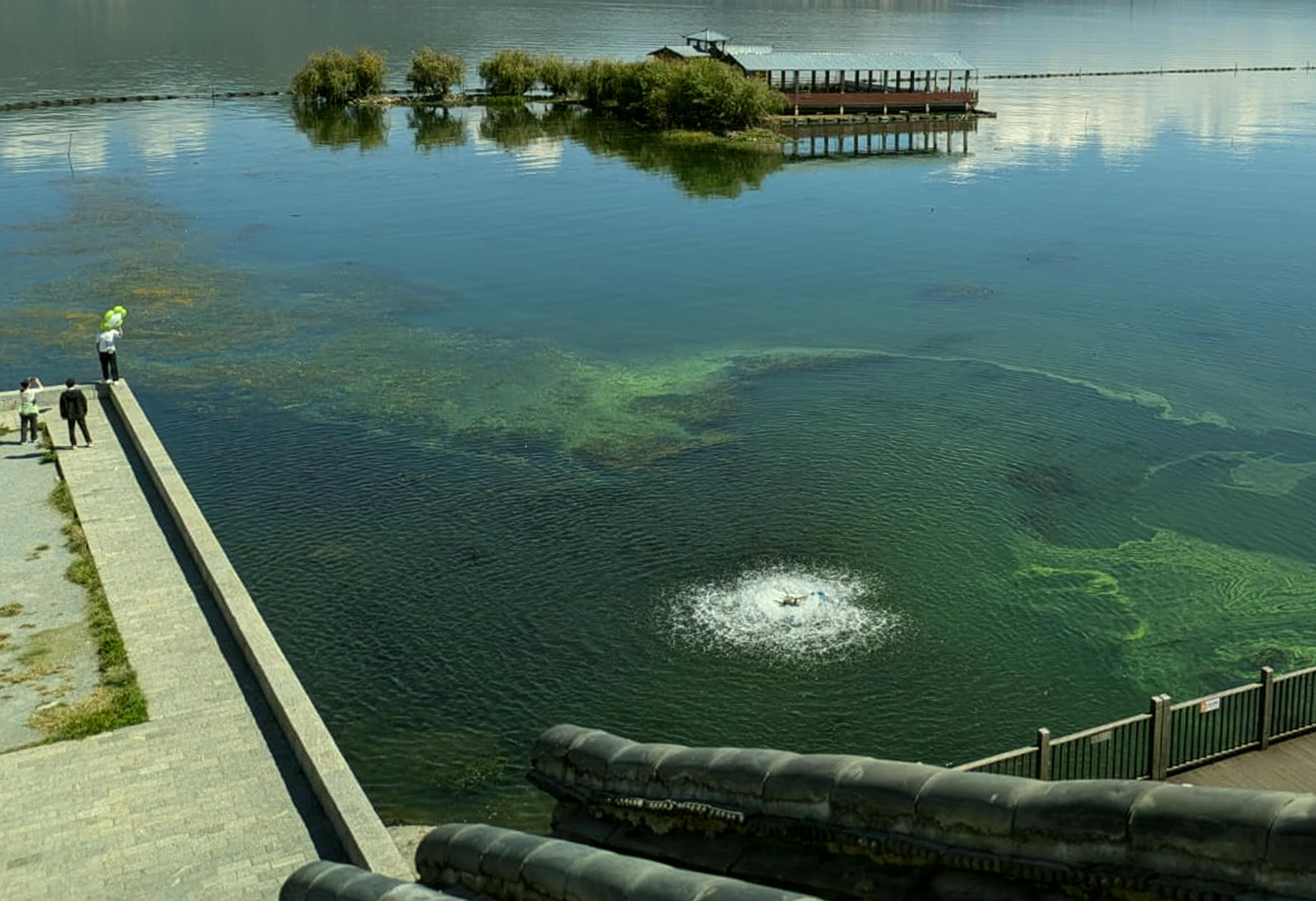
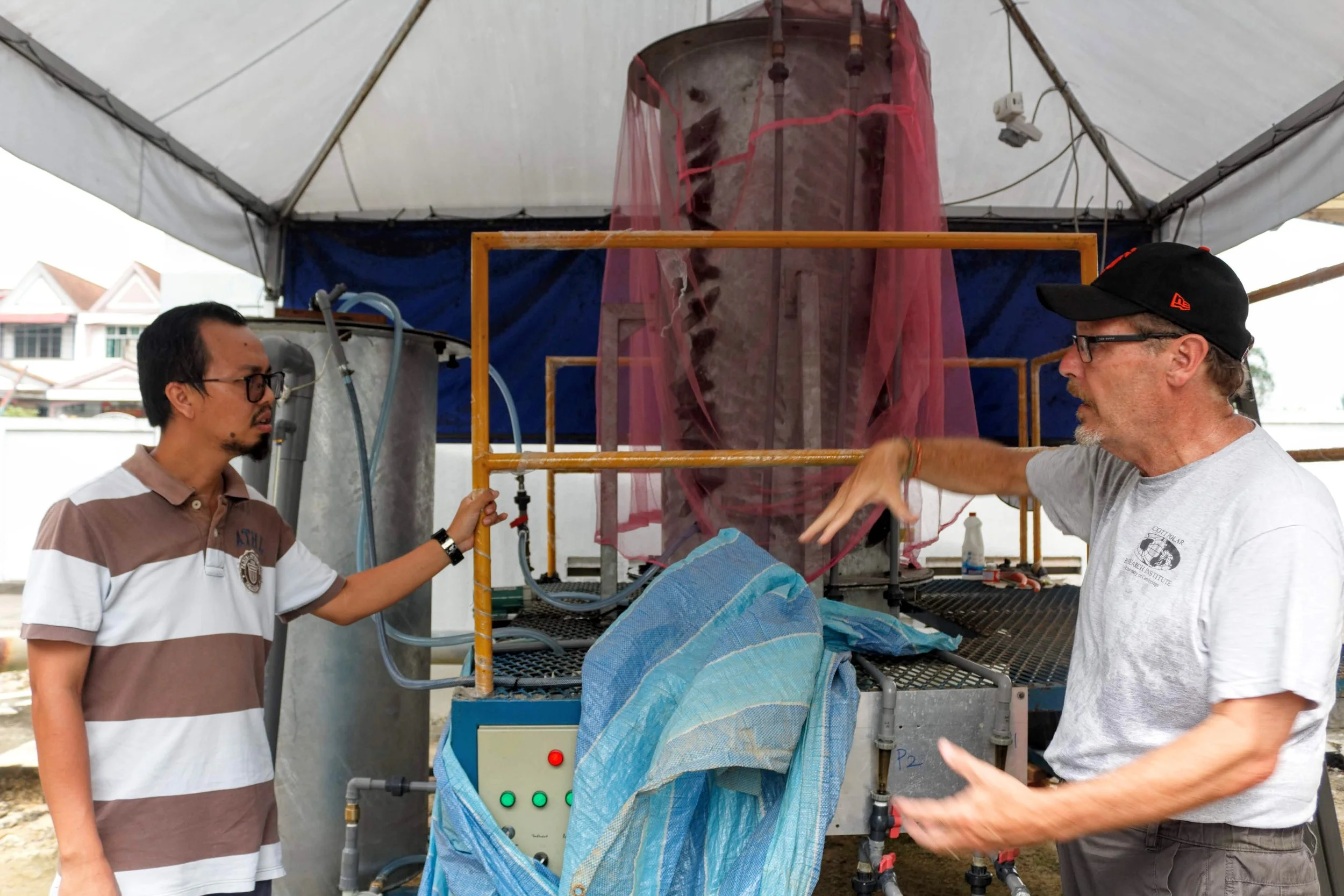
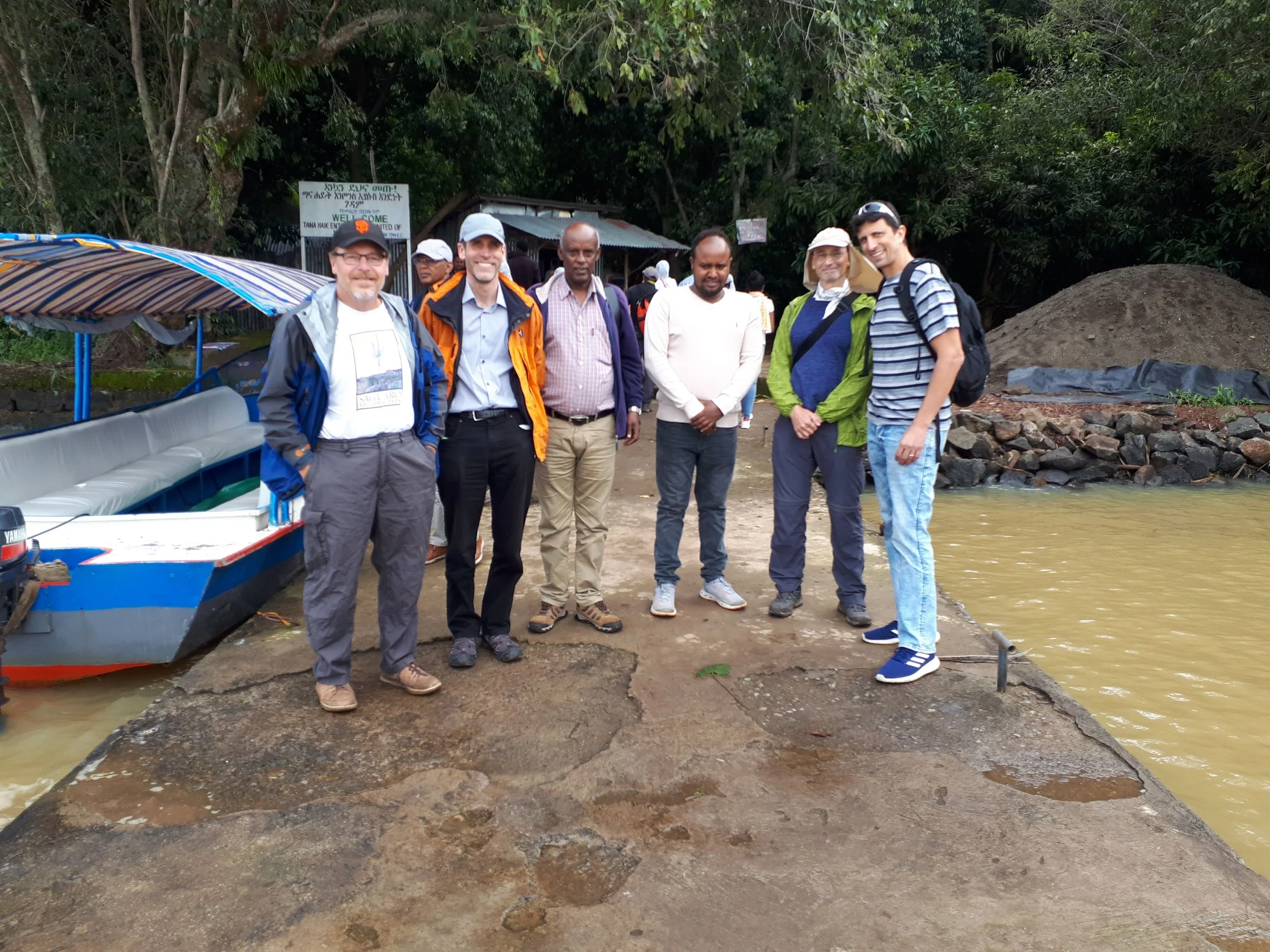
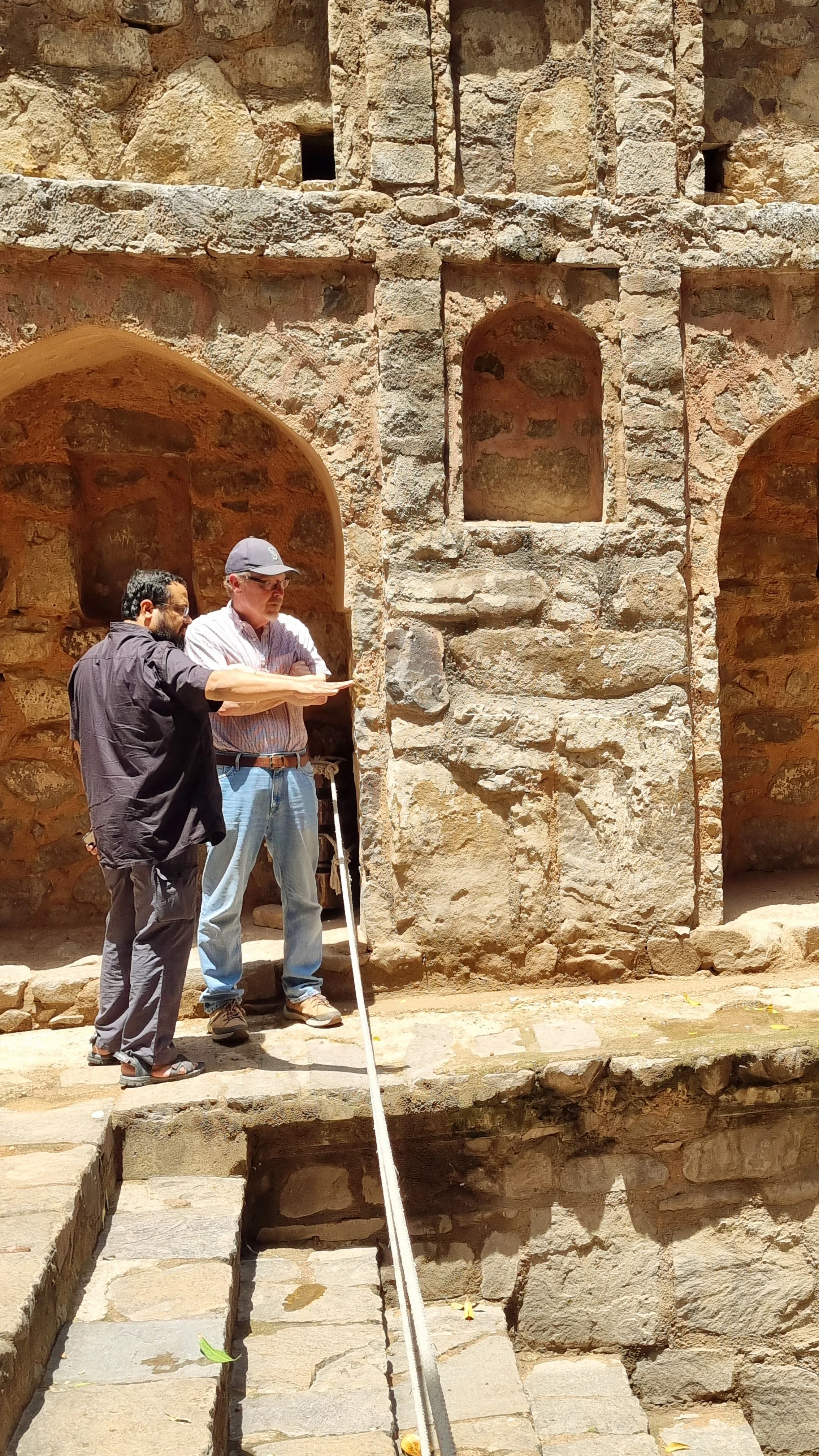
Since then his work has bridged disciplines by design, ranging from microbial ecology of greenhouse-gas cycling, the ecotoxicology of pesticides, development of low-energy more sustainable waste management technologies, and for the last two decades, the environmental dimensions of antimicrobial resistance, ranging from Arctic soils to food production systems in Asia to the rivers of India and sub-Saharan Africa.
One ethic carried from that first career to his current global advisory work: always provide honest, evidence-based, plain-English guidance, even when the advice isn’t what people hoped to hear. It is in the end, however, why they ask for it.
“Prevention is about stopping waste, especially waste with problematic resistance and pollutants, that can select for further resistance from entering the environment. Surveillance tells us where prevention needs to happen.”
— Professor Graham, Global AMR Summit 2026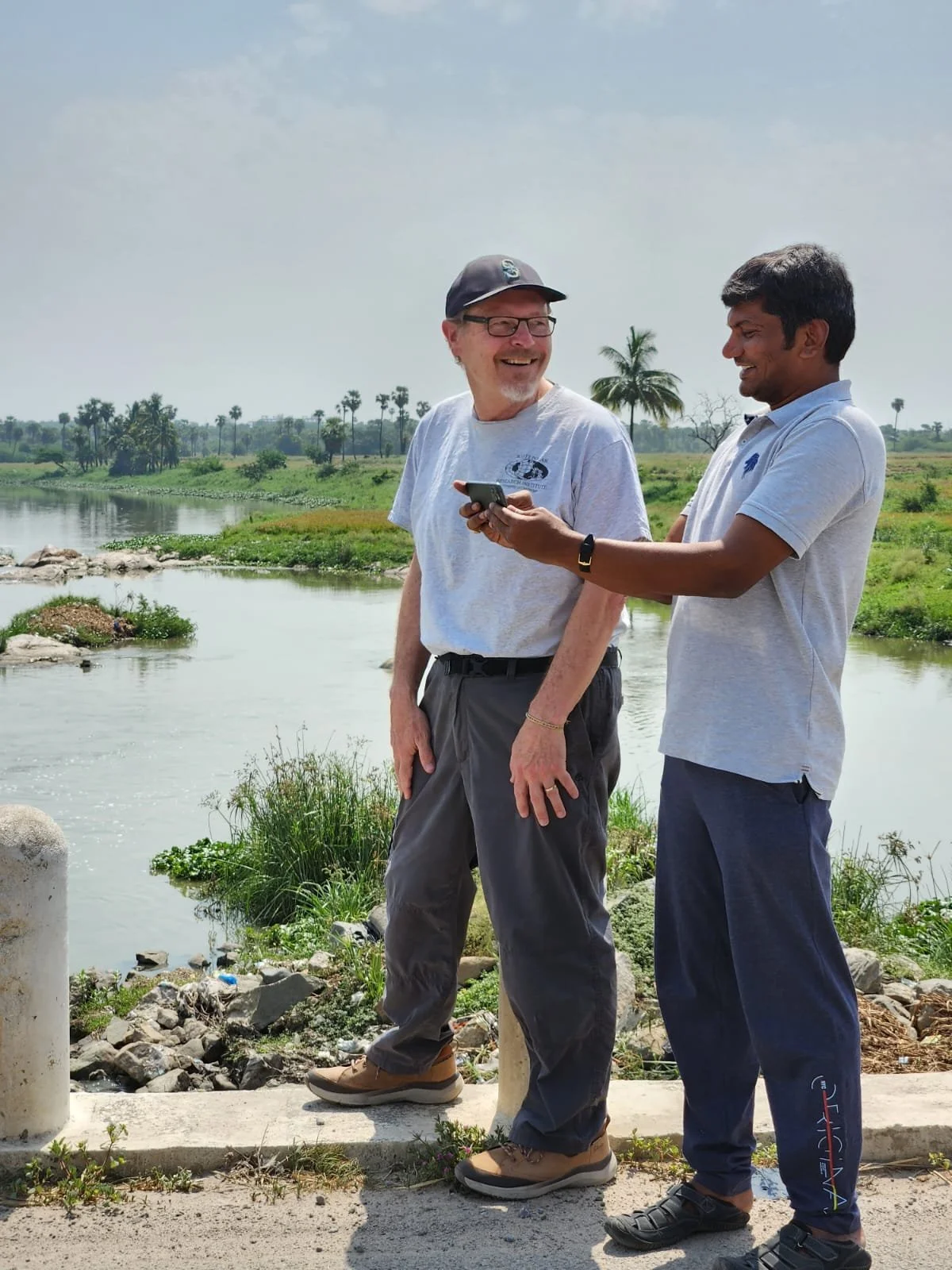
One career, three worlds

1979 - 1987Engineer
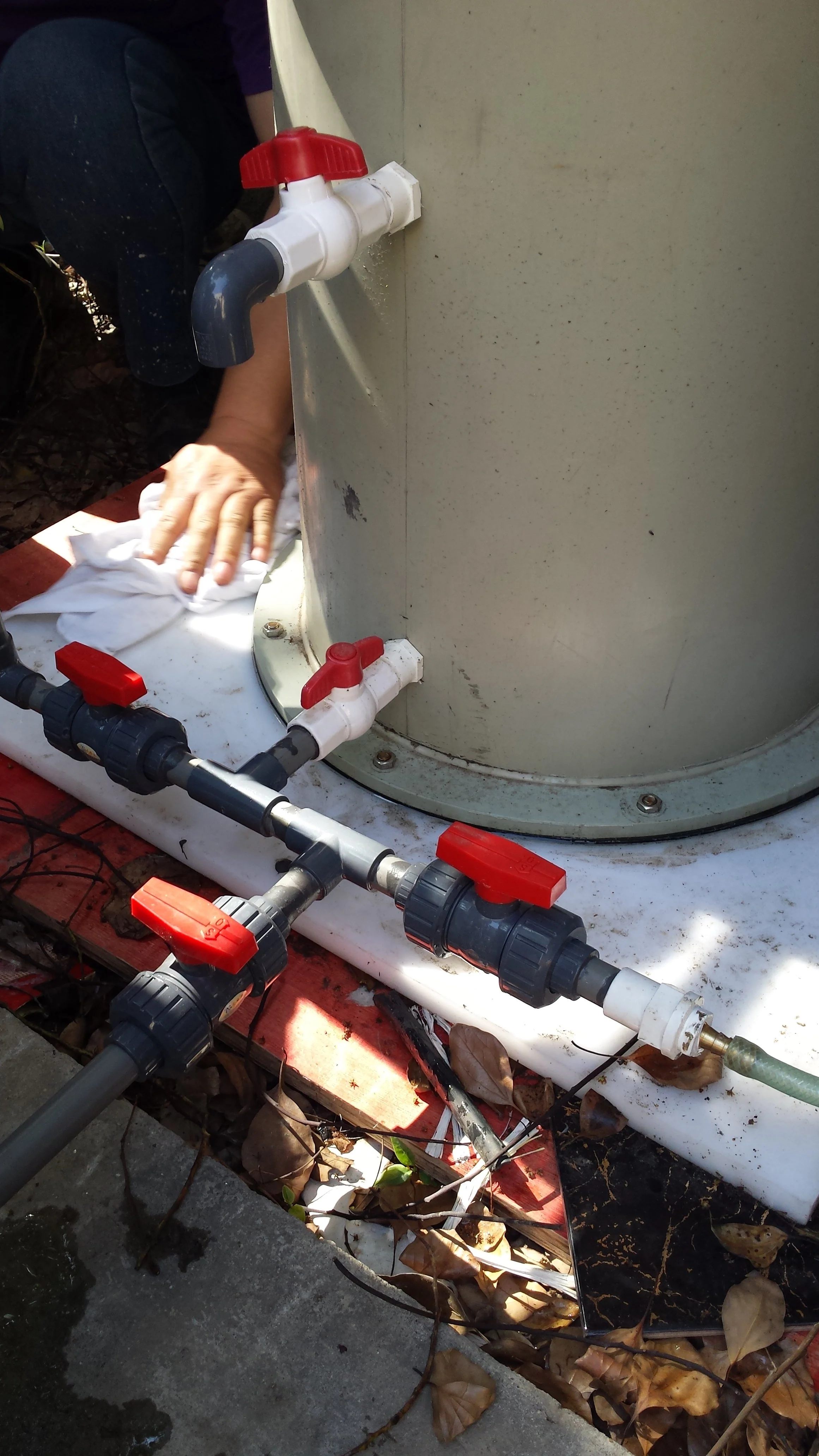
Nearly a decade designing water and wastewater systems in Western Canada.
1987 - 2009Microbiologist
A PhD reorientation into microbial ecology, biochemistry, and environmental health protection.

2009 - nowAdvisor
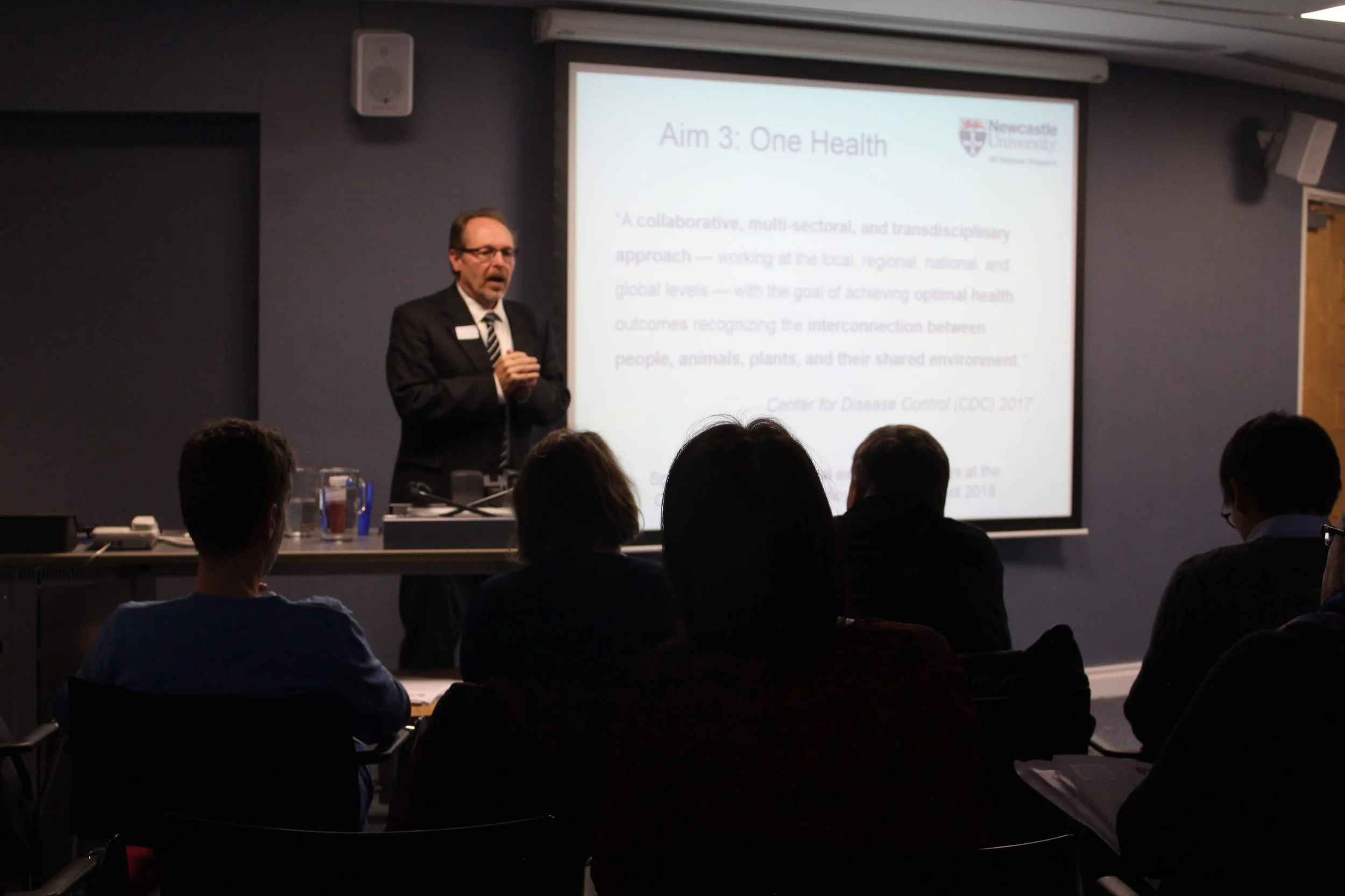
Antimicrobial resistance, One Health, and AI for health global surveillance.